
How to Communicate with an Emotionally Distant Partner Without Blaming
Communicating with an emotionally distant partner can be frustrating, especially when you want more connection and they seem to pull away from you. You may find yourself asking the same questions, starting difficult conversations, or wondering why they won't open up.
It can be tempting to point out what your partner isn't doing, but blame can make someone who already struggles with emotional connection withdraw even more. Changing how you approach these conversations can create more room for honesty and connection.
Choose the Right Time
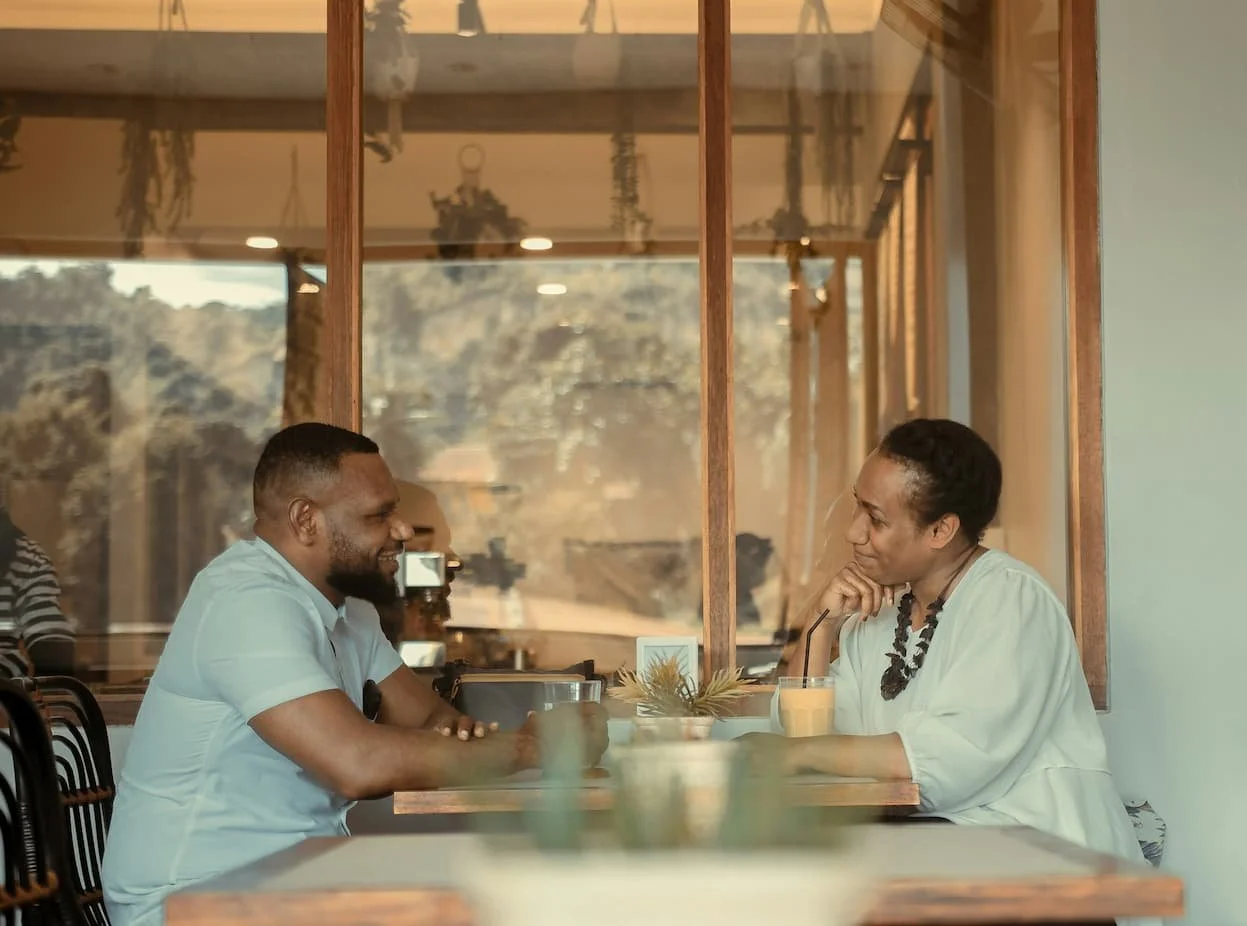
Timing can make a significant difference when you want to discuss something important. Starting a serious conversation when your partner is distracted, exhausted, or already upset may make it harder for both of you to communicate well. Look for a time when you both have some space to talk. You can also let your partner know ahead of time that you would like to discuss something instead of bringing up a major concern unexpectedly.
Talk About Your Experience
Try focusing on what you're experiencing instead of listing everything your partner does wrong. Being mindful of the words you choose can make a big difference.
For example, “I feel disconnected from you lately, and I'd like us to spend more time talking,” gives your partner something specific to respond to. Statements such as “You never talk to me” or “You don't care about this relationship” can sound like attacks, even when they come from a place of genuine hurt.
Be Specific About What You Want and Need
Your partner may not know exactly what you want from them. Instead of asking them to open up more, explain what emotional connection would look like for you. You might ask for twenty minutes to talk without phones, a weekly date night, more affection, or a conversation about how each of you is doing. Specific requests can make it easier for both partners to participate and make sure you're both on the same page moving forward.
Give Them Space to Respond
An emotionally distant partner may need more time to process difficult conversations. Asking a question and immediately filling the silence can make the interaction feel pressured. Give your partner time to think and then respond. At the same time, giving space doesn't require you to accept endless avoidance. You can communicate that you're willing to give them time while still asking that the conversation happen later.
Stay Curious About the Pattern
Emotional distance can develop for many reasons. Your partner may have learned to avoid difficult emotions, feel uncomfortable with vulnerability, or become withdrawn when they feel criticized. You can ask questions that invite conversation without assuming you already know the answer.
Avoid Becoming the Only Person Doing the Work
Improving communication requires participation from both partners. You can change how you approach your partner, but you can't force them to communicate, become vulnerable, or address relationship problems.
Pay attention to your partner's willingness to participate. A relationship can only improve when both people are willing to listen, communicate, and make changes.
Know When You Need Additional Support
If conversations repeatedly end in withdrawal, resentment, arguments, or unresolved issues, couples therapy can help provide structure and support. A therapist can help you identify communication patterns, express your needs without blame, and practice responding to each other differently. If your partner is unwilling to participate, individual therapy can still give you space to explore your needs, boundaries, and options for the relationship.
If emotional distance is creating problems in your relationship, reach out today to schedule a couples therapy appointment. Professional support can help you build healthier communication and a stronger connection.